
Diesel mechanic school in Baltimore takes 39 weeks of day classes or 58 weeks of evening classes in the Diesel Technology program at North American Trade Schools (NATS). This guide explains what students learn, what affects the cost, and whether Maryland requires a license or certification. It also covers the jobs graduates can get and how to compare diesel schools.
What Do Students Learn in Diesel Mechanic School?
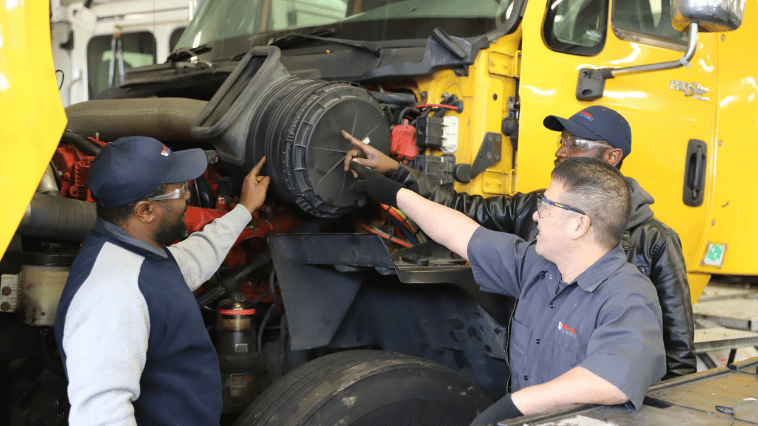
Diesel mechanic school trains students to diagnose and repair problems in diesel trucks and engines. Training covers every major system on a truck, from the engine to the brakes. The full list of course topics is on the Diesel Technology program page. Each system students study connects to common tasks on the job:
- Engines and fuel systems: Figuring out why an engine runs rough, loses power, or will not start.
- Brakes: Repairing the air brakes used on large trucks, along with hydraulic brakes and anti-lock (ABS) systems.
- Transmissions and drivetrains: Servicing automatic and manual transmissions and the rear differentials that turn the wheels.
- Suspension and steering: Keeping a loaded truck stable on the road, including trucks with air ride suspension.
- Electrical and computer systems: Connecting a computer to a truck to read its error codes and track down electrical problems.
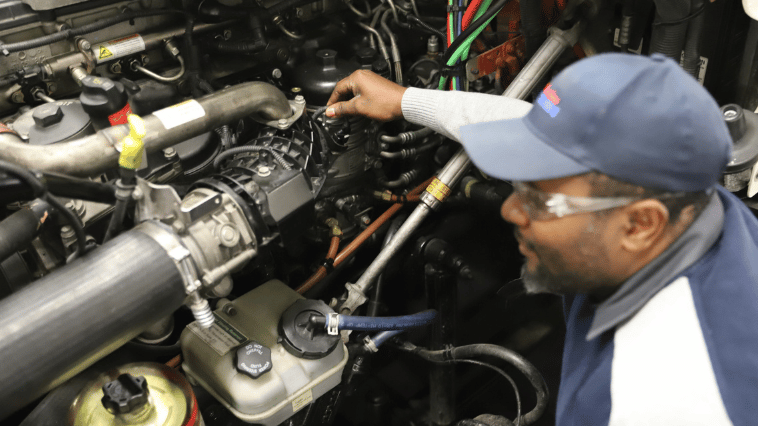
Students practice these skills on real engines and equipment in the NATS diesel shop. That hands-on time helps them build the skills employers look for in entry-level diesel technicians.
Computer skills matter more each year. Modern trucks use onboard computers to run the engine and brakes, so many repairs now start with a computer scan. Diesel technicians also add emission control systems to older engines so they meet pollution rules.
After finishing the program, graduates are eligible to earn several industry certifications. Freightliner, Detroit Diesel, Mercedes-Benz, and Cummins certifications cover trucks, engines, and diagnostic software (Cummins Insite) that many shops use. They show employers a new technician already knows that equipment.
How Long Is Diesel Mechanic School?
It takes 39 weeks of day classes or 58 weeks of evening classes to become a diesel mechanic through the NATS Diesel Technology program. That means a full-time student can be ready for an entry-level diesel job in about nine months.
Day vs. Evening Classes
| Day classes | Evening classes | |
| Length | 39 weeks | 58 weeks |
| Schedule | Full-time, weekdays | Part-time, evenings |
| Best for | Students who want the fastest path into the field | Students who work during the day and want to keep earning while they train |
Both schedules start several times a year, and upcoming start dates are listed on the NATS event calendar.
What Affects Diesel Mechanic School Cost?
The cost of diesel mechanic school depends on the program a student chooses and how long that student takes to finish. Students who take longer than the expected time frame may pay more, so staying on schedule helps keep the cost down. Prospective students can contact NATS for current Diesel Technology program costs.
Most students do not pay for training entirely out of pocket. Federal grants, student loans, and payment plans can help cover tuition for those who qualify. The NATS guide to trade school financial aid explains how each option works and how to apply.
Do Diesel Mechanics Need a License or Certification in Maryland?
No state license is required to work as a diesel technician in Maryland. Graduates can apply for entry-level jobs as soon as they finish training.
Many diesel technicians later earn ASE certification to show their skills and qualify for higher-level work. ASE certification is optional and requires passing a test plus hands-on work experience. The NATS program gives students a head start on qualifying for ASE certification.
What Jobs Can Diesel Mechanic School Graduates Get?
Diesel mechanic school graduates can work in engine repair, fleet maintenance, or transmission repair. Some focus on electrical and computer problems in trucks. Employers include trucking companies, bus fleets, repair shops, railways, and heavy equipment companies.
Trucks and heavy equipment keep goods and services moving, so trained technicians are needed across many industries. Here in Maryland, large projects like rebuilding the key bridge are creating new demand for diesel techs to keep construction fleets and heavy equipment running. A diesel mechanic career is a good fit for people who like solving problems and working with their hands.
Most diesel technicians work full-time in repair shops, and some also handle service calls at job sites or on the road. The work is hands-on and active, and each repair brings a new problem to solve. As technicians gain experience and certifications, many move into advanced diagnostic work.
For details on diesel mechanic salary and how it compares to other trades, see Highest Paying Trades in Maryland for 2026.
How to Choose a Diesel Mechanic Training School
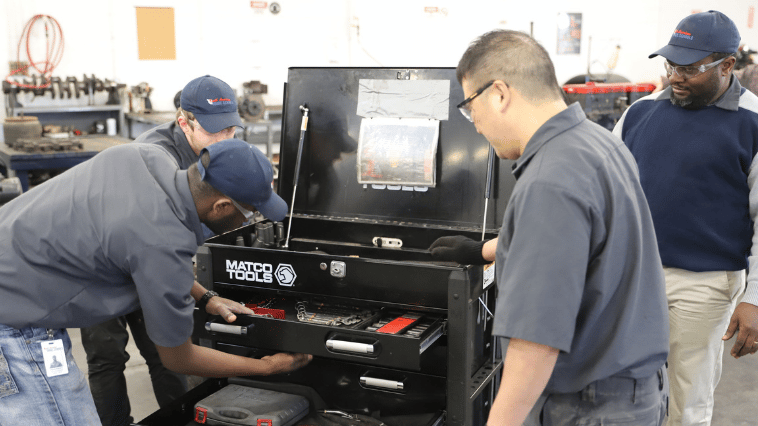
The right diesel school depends on each student’s schedule, budget, and goals. These questions can help people compare programs:
- How much shop time is included? Hands-on practice with real engines builds job-ready skills.
- Are day and evening classes offered? Flexible schedules help students who work or have family duties.
- Is the school accredited? Accreditation affects whether students can use federal financial aid. NATS is accredited by the Accrediting Commission of Career Schools and Colleges (ACCSC), as shown on its Accreditations page.
- Does the school help with job placement? Career services can connect graduates with local employers. NATS explains its services on its Job Placement page.
- What does the full program cost? Students should ask about tuition, tools, and any extra fees before they enroll. The NATS Financial Aid page explains ways to pay.
Start Diesel Mechanic Training in Baltimore
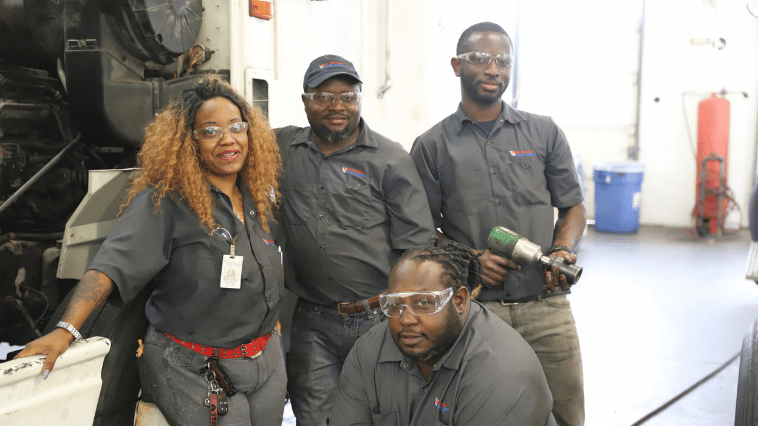
The best next step is to see the program in person. Prospective students can learn more about the NATS Diesel Technology program, check class start dates, and book a campus visit to tour the diesel shop. The NATS campus is at 5760 Wabash Avenue in Baltimore.
Frequently Asked Questions
Can someone go to diesel mechanic school with a GED?
Yes. Most diesel programs accept a high school diploma or a GED.
Are diesel mechanics in demand?
Yes. The U.S. Bureau of Labor Statistics projects about 24,400 job openings for diesel technicians and mechanics each year from 2025 to 2035.
Does diesel mechanic school include a CDL?
Not always. NATS offers a separate Diesel Technology with CDL program for students who also want a Class A CDL. The guide on how to get a CDL in Maryland explains the steps.
Can veterans use VA benefits for diesel mechanic school?
Yes, eligible veterans may be able to use VA education benefits at NATS. The Veteran’s Education Benefits page explains how to apply.
How long does it take to get ASE certified?
Usually about two years. Most ASE certifications require two years of hands-on work experience, and formal training can count toward part of that time.