

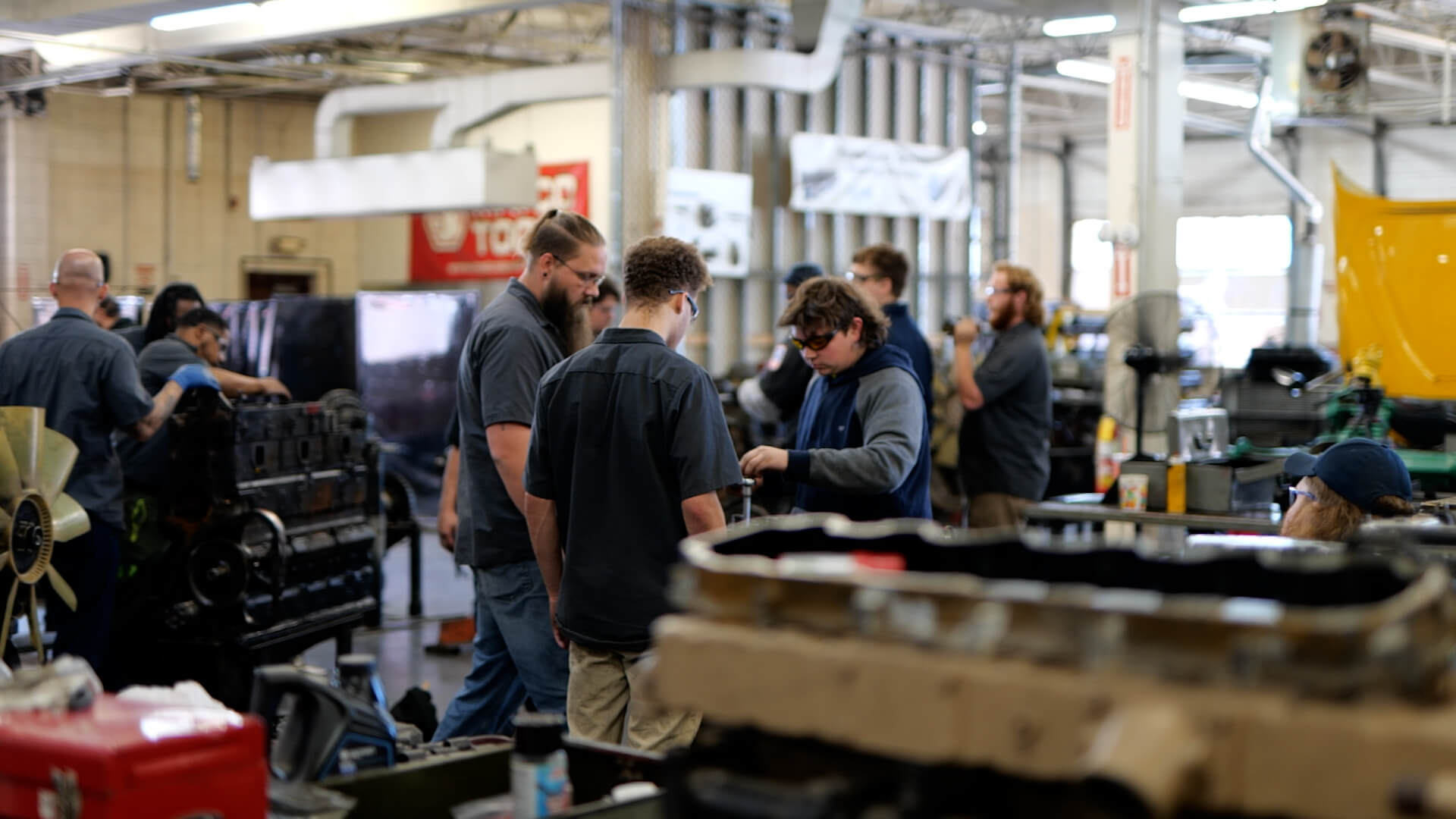
North American Trade Schools has been training people in the skilled trades since 1971. All programs are hands-on and take around a year or less to complete. Both day and evening classes are available if you need to get your education while you are still working full-time. After you complete the program, we work with local employers to ensure graduates are hired upon completion of their training. Browse the programs below to find the one that fits your interests and goals.
Programs at a Glance
| Program | Length | Schedule Options | What You’ll Be Ready For |
|---|---|---|---|
| Building Construction Technology | 39 weeks (day) / 58 weeks (evening) | Day | Carpenter, mason, & construction laborer |
| Combination Welding | 39 weeks (day) / 58 weeks (evening) | Day & Evening | Welder (MIG, TIG, SMAW, FCAW) |
| Commercial Truck Driving – Class A CDL | ~160 hours | Day & Evening | OTR, regional, and local trucking |
| Commercial Truck Driving – Class B CDL | 48 hours | Day & Evening | Local/regional driving, bus & delivery |
| Diesel Technology | ~12 months | Day & Evening | Diesel mechanic, fleet technician |
| Diesel Technology with CDL | ~12 months + CDL | Day & Evening | Diesel tech & commercial truck driver |
| Electrical Technology | 39 weeks (day) / 58 weeks (evening) | Day & Evening | Electrician apprentice, electrical technician |
| HRVAC Technology | 39 weeks (day) / 58 weeks (evening) | Day & Evening | HVAC/R technician, installation & service |
How to Get Started
Choosing to go to trade school can feel like a lot, but it doesn’t have to be. That is why our admissions team starts with a simple conversation focused on you and your goals. From your first call to your campus tour, we are here to guide you. You will see training in action, explore career paths you may not have considered, and leave with a clear understanding of your options at North American Trade Schools.
Hear Directly From the Team
Ready to take a look? Contact NATS → | Explore Financial Aid → | (410) 298-4844
Programs at North American Trade Schools
Building Technology
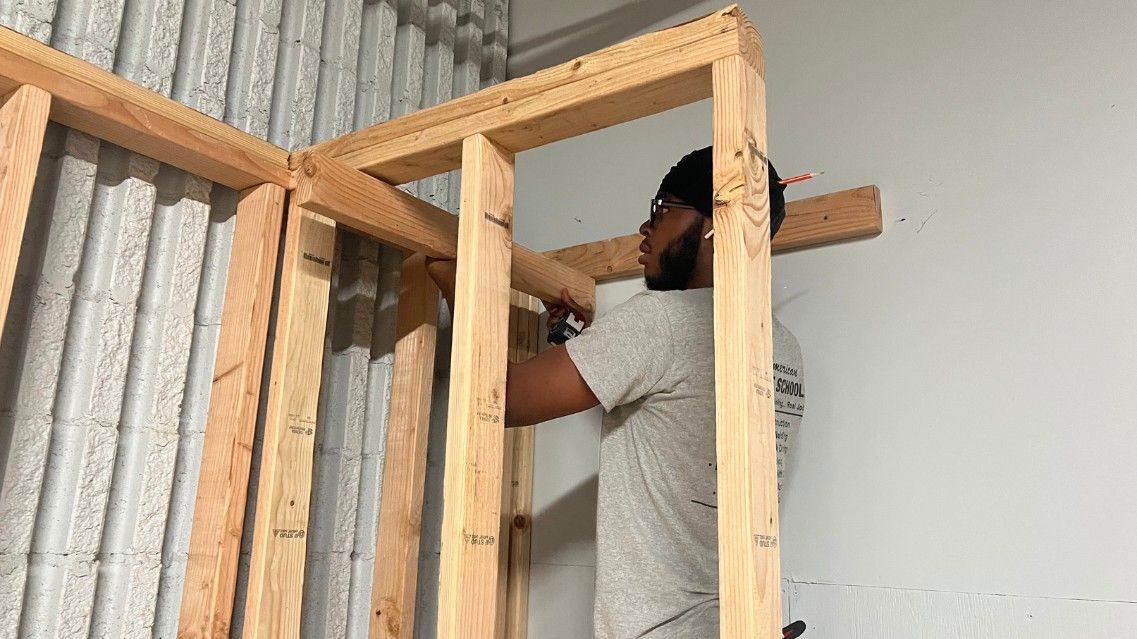
Baltimore keeps growing. With new projects popping up all over the city, contractors need more workers now. The Building Construction Technology program gets you ready to jump right in.
The program gives you the key skills that employers in construction look for: reading blueprints, working on residential and commercial framing, doing rough and finish carpentry, using masonry techniques, and keeping job sites safe. It doesn’t just focus on one specific area. It’s designed to make you valuable in a variety of construction jobs.
Program length: 39 weeks during the day | 58 weeks in the evening
Careers graduates can explore:
- Carpenter
- Mason
- Construction laborer
- Construction site worker
- Helper for general contractors
Find Out More About Building Construction Technology →
Combination Welding
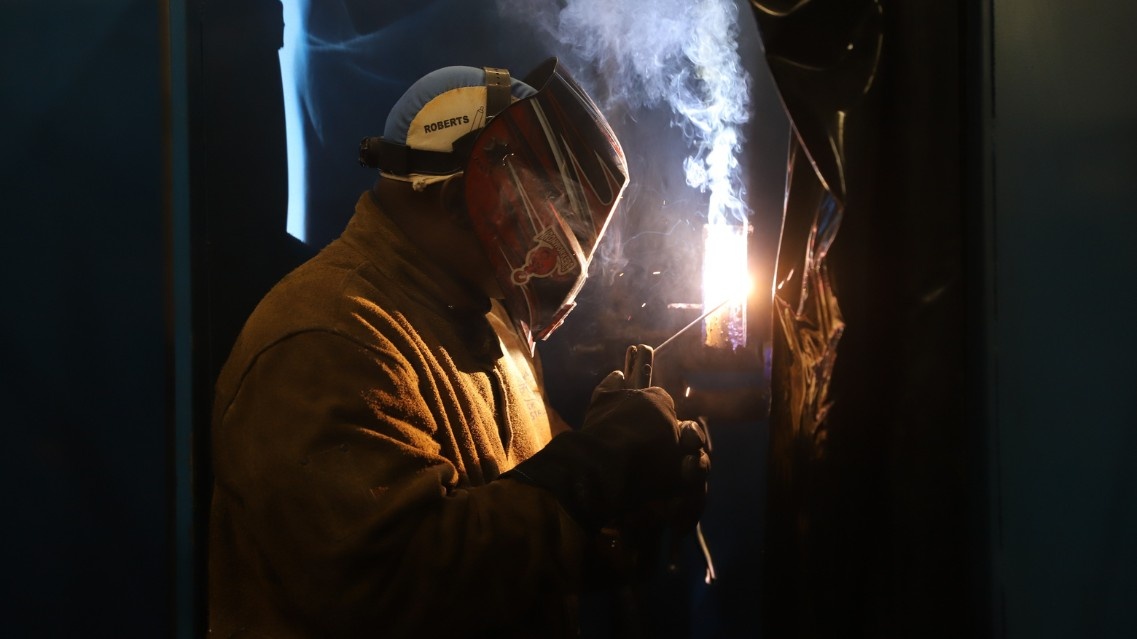
Welding is a skill that spans many trades, and finding the right welding training is crucial to mastering the craft. Certified welders find jobs in manufacturing, construction, shipbuilding, pipelines, and other industries. The Combination Welding program teaches all the main techniques, so you’re not stuck with just one type of work.
Students master SMAW (stick), MIG (GMAW), TIG (GTAW), and FCAW using up-to-date tools on actual pipe and structural welding tasks. It also covers safety practices and prepares students to earn AWS or ASME certifications.
Program duration: 39 weeks (day) | 58 weeks (evening) Certifications included: AWS/ASME preparation
Job options after graduation:
- Welding structural components
- Welding pipes
- Fabricating metal
- Performing industrial maintenance welding
Find out more about combination welding →
Commercial Truck Driving — Class A CDL
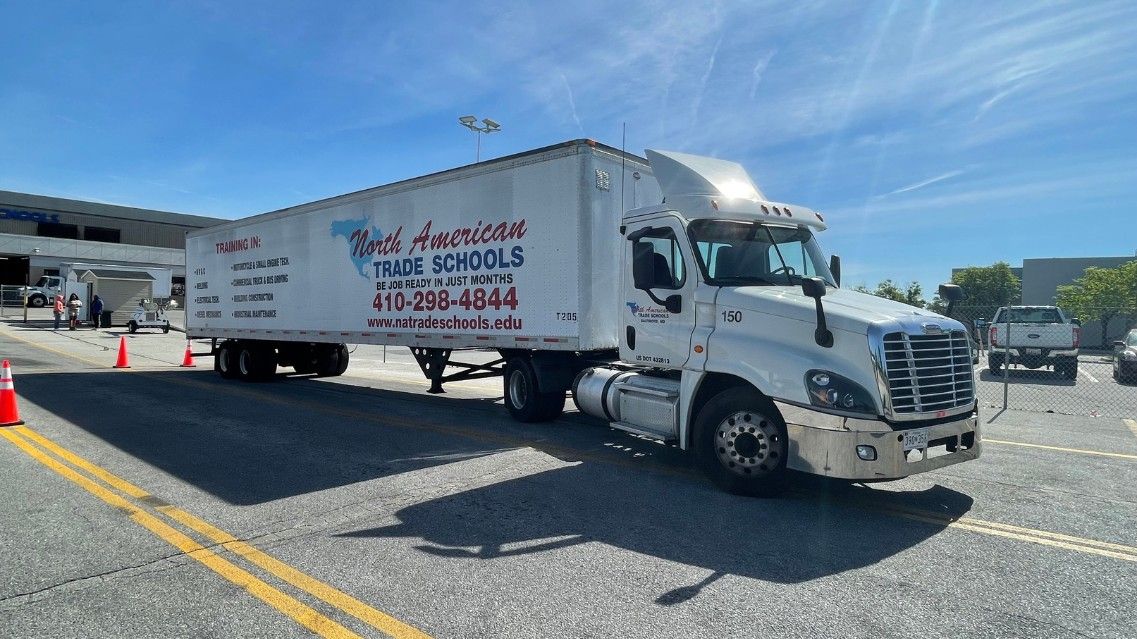
The Class A CDL course teaches everything you need to know to pass your CDL exam and become a truck driver. You’ll learn how to handle pre-trip inspections, understand DOT rules, manage logbooks, stay safe on the road, and get real practice driving a truck. Once you finish, you’ll be ready to drive tractor-trailers, semi-trucks, and long-combo vehicles.
Program length: Around 160 hours. Schedule: Flexible day or night classes
Truck driving jobs after training:
- Over-the-road truck driver
- Regional driver
- Local delivery driver
Find out more about the Class A CDL →
Commercial Truck Driving – Class B CDL
The Class B CDL program offers a quicker path to start a professional driving career. With just 48 hours of training, it’s the fastest program available at NATS. Students train in vehicle control, safety basics, and understanding of rules, preparing to drive single-unit vehicles such as dump trucks, school buses, utility trucks, and delivery vans. If you’re aiming to drive or regionally, this program provides a straightforward option.
Program duration: 48 hours Schedule: Day or evening classes
Jobs graduates get:
- Driving a school bus
- Operating a dump truck
- Delivering goods
- Running utility vehicles
Learn More About Class B CDL →
Diesel Technology
Trucks, big machines, and fleet vehicles keep Baltimore and the rest of the country moving. But they don’t fix themselves. Diesel technicians do that job.
The Diesel Technology program teaches how to find and fix issues in diesel-powered trucks and machinery. You’ll get hands-on experience with advanced diagnostic tools and learn about fuel systems, hydraulics, electrical systems, ABS, and routine maintenance.
Program length: About 12 months
Jobs you can aim for after graduating:
- Diesel mechanic
- Fleet vehicle maintenance technician
- Heavy equipment service technician
Learn More About Diesel Technology →
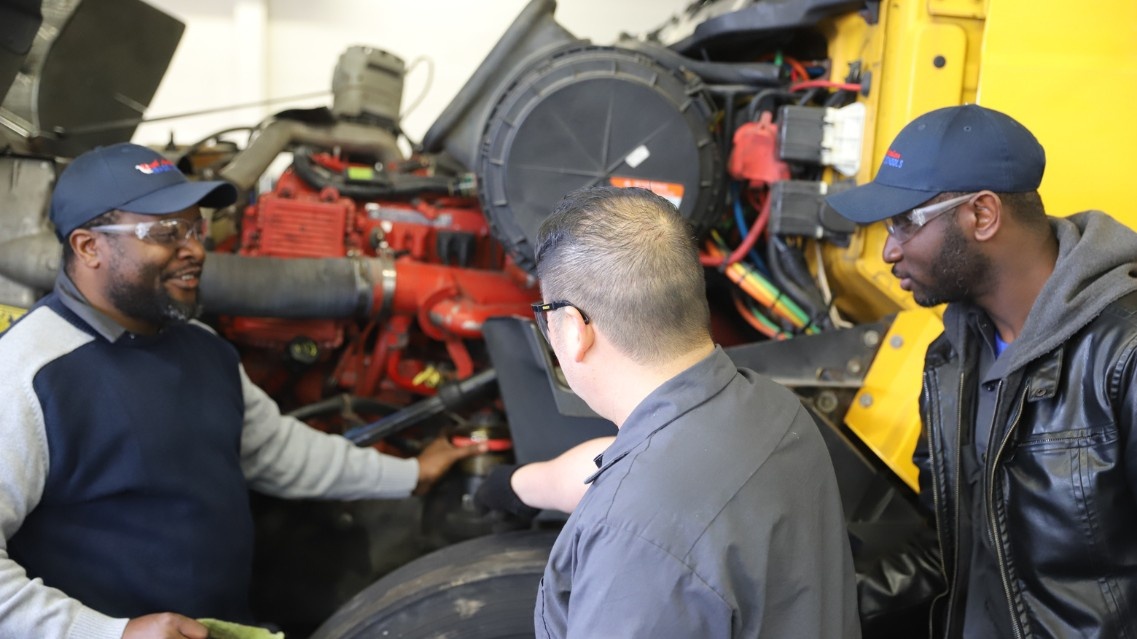
Diesel Technology with CDL
If you’re looking to mix mechanical know-how with the skill to operate commercial vehicles, this program lets you do both. You’ll go through the entire Diesel Technology curriculum covering diagnostics, repairs, and maintenance, while also qualifying to take the test to get your Commercial Driver’s License.
This combo works well if you want more career options or are aiming to work in fleet operations jobs.
Program time: About 12 months plus CDL training
Jobs graduates go into:
- Diesel tech
- Fleet operations expert
- Driver-mechanic hybrid roles
Discover More About Diesel Technology with CDL →
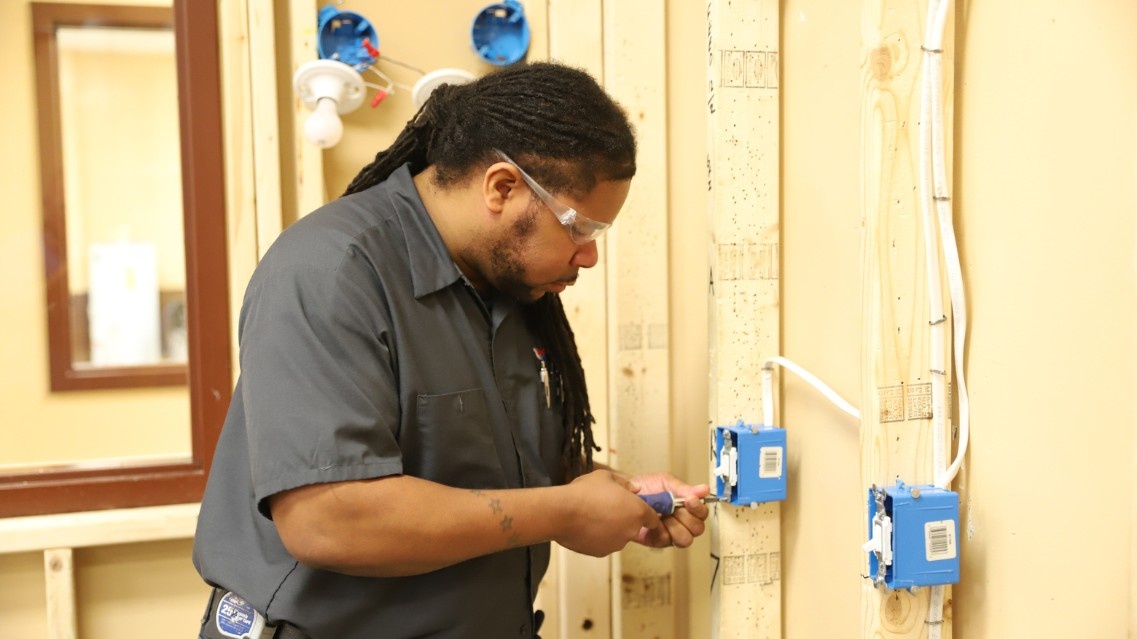
Electrical Technology
You’ll get hands-on experience with wiring setups, breaker boxes, and control panels. You’ll study how to do wiring for homes and businesses, work with motor controls (PLC), and learn about telecommunications and solar energy systems. You’ll do a lot of learning by working in the lab, not just sitting in a classroom.
After finishing the program, you can qualify to take your NCCER Core and Electrical Level 1 certification exams, along with the OSHA 10 test.
Program Duration: 39 weeks (day) | 58 weeks (evening)
Certifications Available: NCCER Core, Electrical Level 1, OSHA 10
Career Paths You Can Follow:
- Electrician apprentice or helper
- Electrical technician
- Low-voltage systems technician
- Solar panel installation technician
- Technician for electrical maintenance
Discover More About Electrical Technology →
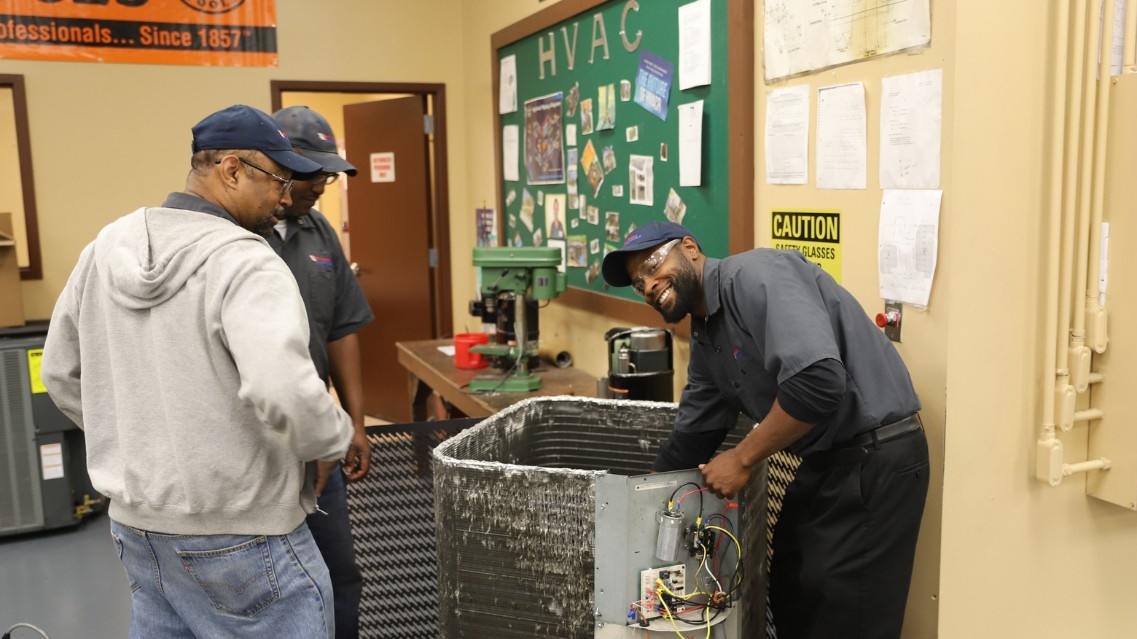
HRVAC Technology
Trained technicians for heating, cooling, and refrigeration systems are always needed. This makes HVAC a stable trade career with steady year-round work. NATS’s HRVAC Technology program teaches you the hands-on skills you’ll need to work on systems like furnaces, heat pumps, air conditioners, and commercial refrigeration units after graduation. The program covers installing systems, safe refrigerant use, diagnosing problems, and learning how to save energy through efficient practices.
After completing the program, graduates are ready to earn their EPA 608 certification and can qualify for entry-level jobs installing, maintaining, or servicing equipment.
Program duration: 39 weeks (day) or 58 weeks (evening)
Certifications included: EPA 608 prep
Careers graduates work in:
- HVAC/R tech
- Installation tech
- Maintenance and service tech
- Refrigeration expert
Why NATS
In business since 1971. More than 50 years of training tradespeople in Baltimore.
Accredited by ACCSC. The Accrediting Commission of Career Schools and Colleges holds programs to real standards. NATS meets them.
Instructors who’ve done the work. Every instructor has experience in the field. They’ll teach you everything you need to know to make you valuable in your desired field.
Evening classes available. Most programs offer evening schedules so you can keep your current job while you train for a better one.
Rolling start dates. New classes begin regularly.
Modern equipment. Updated labs, current equipment, and the tools employers use.