
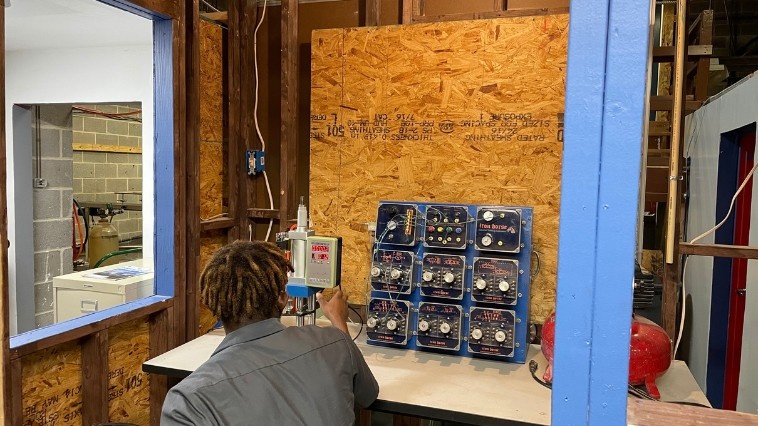
A trade school is an educational institution that trains students for careers in skilled trades and technical fields. You may also hear it called a vocational school, technical school, or career college. The names vary, but the model is the same: focused, practical training built entirely around the career you’re preparing for.
Unlike a four-year university, a trade school doesn’t require general education courses in subjects unrelated to your career. From day one, every class connects directly to the work you’ll be doing. That might mean learning to wire a building, earning a CDL to drive commercial trucks, mastering HVAC systems, or developing welding skills used in industrial fabrication.
If you’re exploring trade school for the first time, this guide covers everything you need to know: how it works, what you can study, who it’s built for, and how to choose the right program.
How Does Trade School Work?
Trade school programs combine classroom instruction with hands-on training. You learn the theory behind your trade in the classroom, then apply it in a lab, shop, or real-world setting. That balance between knowing and doing is central to how trade education works.
Program lengths vary by trade. A CDL truck driving program can be completed in a matter of weeks. Programs in HVAC, welding, or electrical technology typically run from several months to two years. After finishing, students receive a certificate, diploma, or associate degree depending on the program.
The pace moves quickly because the curriculum is focused. No time is spent on material that doesn’t connect to the career. For students with a clear goal, that kind of structure makes a real difference.
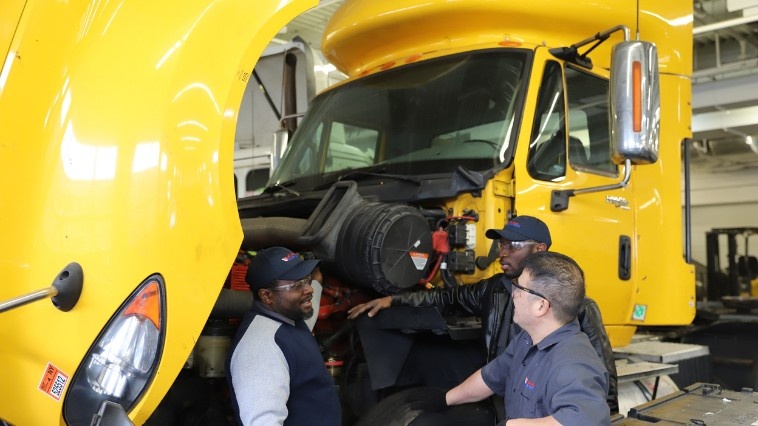
A significant portion of trade school training happens in labs and simulated job environments. You work with the actual tools, equipment, and systems used on real job sites. By the time you graduate, you’ve already done the work hundreds of times in a controlled setting. That’s what separates trade school graduates from people who only studied the theory.
Trade School vs. College: What Is the Difference?
Trade school and a four-year college are built for two different purposes. One is not better than the other. The right choice depends on where a person wants to go.
| Trade School | Four-Year College | |
| Focus | One specific career from day one | Broad subjects with a declared major |
| Time | A few weeks to two years | Typically four years |
| Cost | Generally lower tuition, shorter programs, earlier income | Higher tuition, longer timeline before earning |
| Learning style | Hands-on, lab-based, practical application | Lecture-based, academic, research-oriented |
| Outcome | Job-ready skills in a specific trade | Degree that qualifies for a wider range of roles |
Both paths lead to stable, well-paying careers. The question is which path matches what you want to do. Trade school is the faster, more direct route for skilled technical careers. A four-year degree is necessary for careers in medicine, law, engineering, and most academic fields. Knowing which category your goal falls into makes the decision straightforward.
Who Goes to Trade School?
There’s no single profile for a trade school student. People come from many different starting points.
- Recent high school graduates who want to start working in a skilled trade quickly, rather than spend four years in a general education program
- Adults changing careers who need targeted training for a new field without starting over entirely
- Workers who want to add a certification or credential to advance in their current industry
- People who learn better by doing than by sitting in a lecture hall
- Veterans transitioning out of military service who want a direct path to civilian employment
What most trade school students share is a clear sense of direction and a preference for learning through practice. Trade school is designed around both of those things.
It’s worth noting that the demographics of trade schools are shifting. Gen Z students are increasingly choosing the trades as a first-choice career path, not a fallback. Women are also entering skilled trades in growing numbers. That shift is reshaping what these careers look like and expanding who they’re for.
What Trades Can Students Learn at Trade School?
Trade schools offer training in dozens of fields. Some of the most common include:
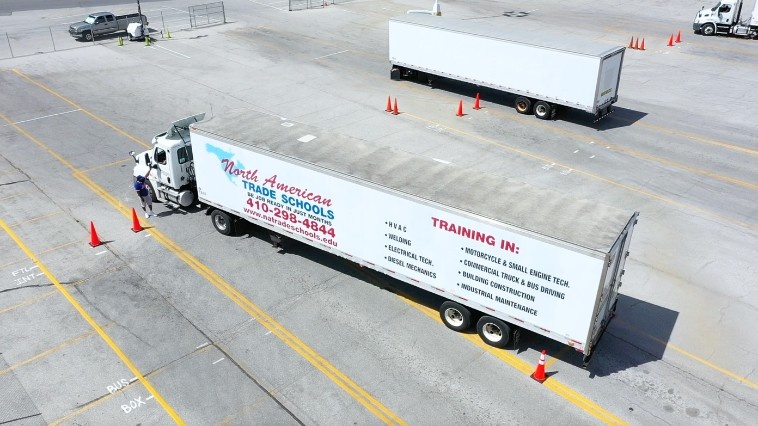
Transportation and Logistics: Commercial truck driving programs prepare students to earn a CDL. The trucking industry has hundreds of thousands of open positions at any given time. Trained and licensed drivers have strong options when they finish their program.
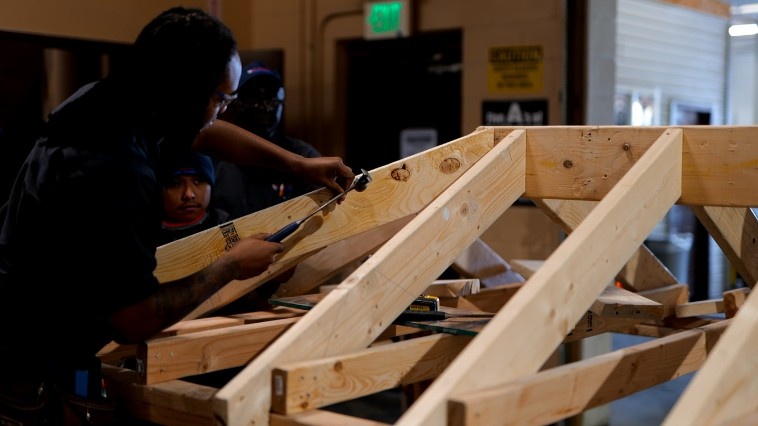
Construction and Infrastructure: Programs in HVAC, plumbing, electrical work, and carpentry train students to install, maintain, and repair the systems that keep homes and buildings running.
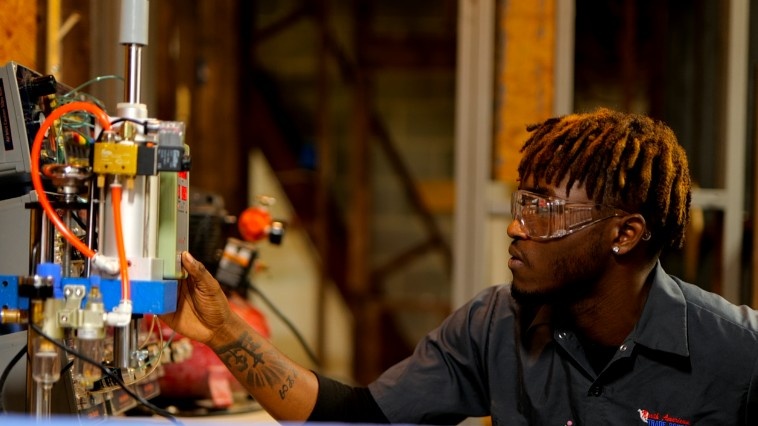
Manufacturing and Industrial Trades: Welding, machining, and industrial maintenance programs prepare students for careers in factories, fabrication shops, and industrial facilities.
Automotive and Diesel Technology: These programs teach students to diagnose, repair, and maintain cars, trucks, and heavy equipment.
Is Trade School Accredited?
Many trade schools hold accreditation from recognized regional or national accrediting bodies. Accreditation means the school meets established academic and operational standards. It also determines whether students can access federal financial aid.
Students at accredited trade schools may qualify for grants and loans through the U.S. Department of Education, which can significantly reduce the out-of-pocket cost of a program.
Before enrolling anywhere, verify the school’s accreditation status. That information should be on the school’s website and is searchable through the U.S. Department of Education’s database of accredited institutions. If a school can’t clearly answer the accreditation question, that’s worth paying attention to.
Does Trade School Lead to Good Jobs?
Yes. Skilled trades consistently offer competitive wages and strong job stability. According to the U.S. Bureau of Labor Statistics, careers in commercial driving, electrical work, HVAC, and welding regularly produce salaries that match or exceed those of many positions requiring a four-year degree.
The demand picture is also favorable. In many trades, there are more open positions than trained workers to fill them. The skilled trades have faced a sustained shortage for more than a decade, and that shortage is expected to grow as experienced tradespeople retire. Graduates who enter the workforce with verified, hands-on skills tend to find real opportunities waiting.
Starting wages vary by trade and region, but the national median for many skilled trades is between $50,000 and $65,000 annually. Experienced journeymen and master-level tradespeople regularly earn well above that. These are also jobs that can’t be outsourced or automated. They require physical presence, skilled judgment, and direct hands-on work.
In Baltimore and the surrounding area, for example, construction and skilled trades hiring has been particularly strong, driven by infrastructure investment and a shortage of qualified local workers.
How to Choose a Trade School
Picking the right trade school takes some research. These are the most important factors to consider:
Accreditation: Is the school recognized by a legitimate accrediting body?
Program Length and Schedule: Does the timeline work, and are schedules flexible enough to fit other responsibilities?
Cost and Financial Aid: What is the total cost, and what assistance is available to help cover it?
Job Placement Support: Does the school maintain employer relationships and help graduates find work after finishing?
Reputation and Outcomes: What do graduates say? What are the school’s completion and job placement rates?
Licensing Alignment: Does the program prepare students to meet state licensing or certification requirements for their trade?
Visiting the school and talking with admissions staff can help a person make a confident, informed decision. Connecting with current students or graduates is also worth the time. A school that is proud of its outcomes will welcome those conversations.
Frequently Asked Questions
Is a high school diploma required to attend trade school?
Most trade schools require a high school diploma or GED for admission. Requirements vary by school and program.
Can adults who already have a career attend trade school?
Many trade school students are working adults changing careers or adding credentials. Flexible scheduling is common for that reason.
What is the difference between a trade school certificate and a degree?
A certificate comes from completing a shorter, focused program. An associate degree takes longer and involves more coursework. Both can qualify graduates for skilled trade positions depending on the field.
Do trade school students have to take any general education classes?
Most trade school programs do not require general education courses. The curriculum focuses almost entirely on the chosen trade from the start.
What is the difference between a trade school and a community college?
Community colleges offer a wider range of programs, including academic degrees and transfer pathways. Trade schools focus exclusively on career-specific technical training.
Is trade school a good option for veterans?
Many trade schools accept veterans’ education benefits, including the GI Bill. Veterans should confirm benefit eligibility with the school’s financial aid office before enrolling.
Can a person attend trade school online?
Some trade programs offer hybrid or online options for classroom coursework, but hands-on training typically requires in-person attendance. Availability varies by school and program.
Is there a minimum age requirement to enroll in trade school?
Most programs require students to be at least 18 years old. Some programs may accept students who are 17 with parental consent.